Research
Medical Knowledge & AI Research
Clinical NLP and knowledge representation work focused on turning guideline knowledge into structured, traceable and verifiable forms.
Explore↗
I work at the intersection of complex systems, applied AI, and decision support. My background spans more than fifteen years in transportation, logistics, and operational systems, while my current research explores how expert knowledge can be transformed into machine-usable forms without losing the context, evidence, and conditions that give it meaning.
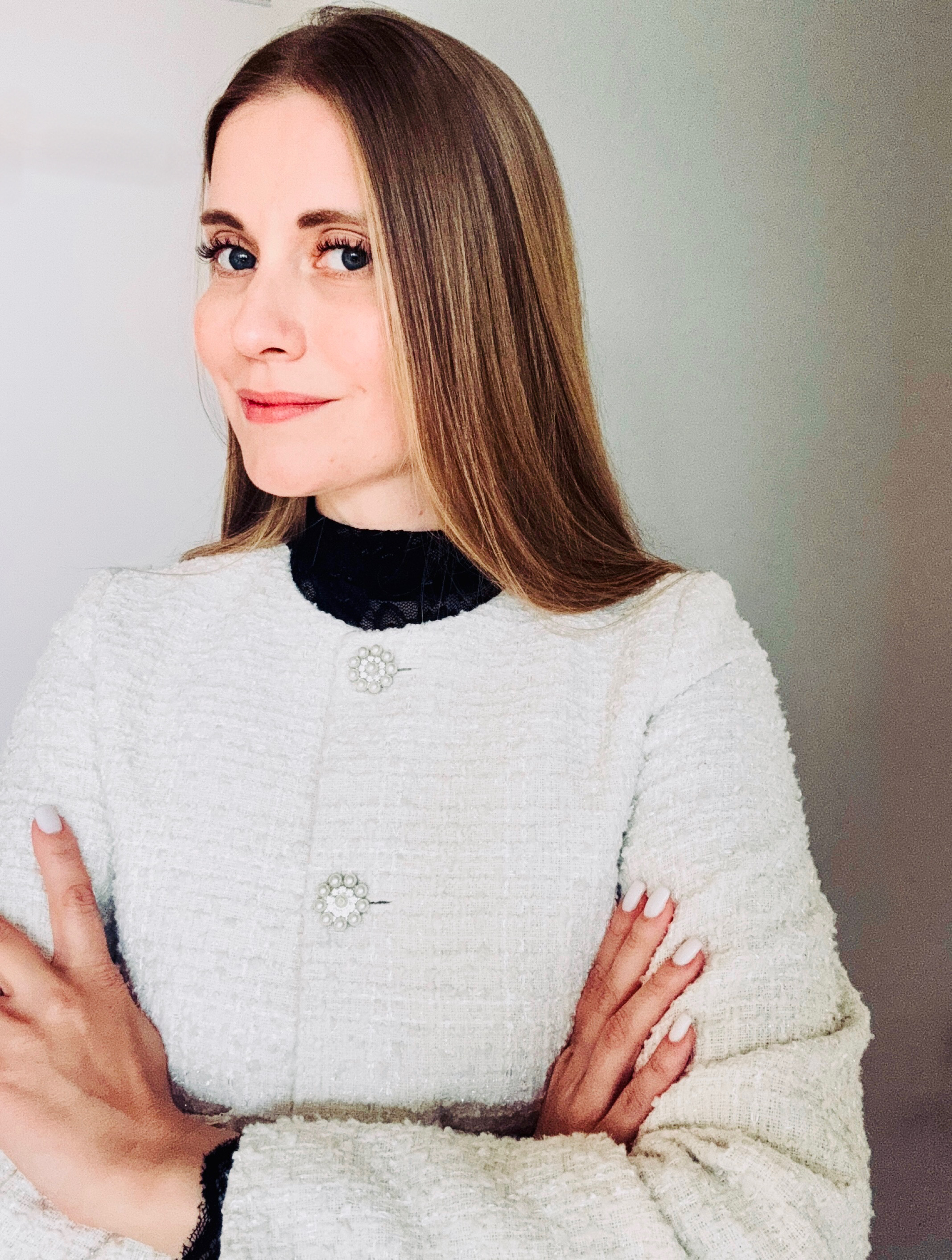
I have spent more than fifteen years working with complex operational and decision-support problems across transportation and logistics.
Across very different projects, I kept encountering a similar problem: important knowledge is fragmented across data, documents, rules, and people. Much of my work has involved making that complexity explicit — translating ambiguous requirements, constraints, and expert knowledge into analytical models, system logic, and decision-support structures.
Over time, this led me deeper into applied mathematics, data science, and AI. During my Master’s degree in Applied Mathematics and Informatics at HSE University, I developed a system for transforming oncology clinical guidelines into structured, source-linked knowledge. That work raised a broader question that now drives my research: what gets lost when expert knowledge is transformed into something a computer can use?
I am now exploring how medical knowledge can remain meaningful, traceable, and verifiable as it moves through extraction, representation, retrieval, and use by AI systems.
In parallel, I am building Gnodus, an early-stage research-driven company exploring whether this same problem can become the basis for a useful technology and business.
A curated view of the work that best explains how I think — with direct links to selected repositories where they add useful evidence.
Clinical NLP and knowledge representation work focused on turning guideline knowledge into structured, traceable and verifiable forms.
Experiments in language modelling, dense retrieval, semantic representation and multimodal search.
Analytical systems where models, business logic and operational constraints support real decisions in risk, pricing, auctions and planning.
An early-stage research-driven company exploring how expert knowledge can be made reliably usable by AI — and where that capability can become a real product.
Clinical guidelines are the current research setting: a difficult, high-stakes domain where trustworthy knowledge representation matters.
A separate entity, but part of the same intellectual trajectory.
Gnodus is an early-stage company being built around a simple problem: giving AI access to information is not enough if the context, evidence, and conditions that make that information reliable are lost along the way.
Medicine is the first research and application domain. The current work focuses on understanding where this problem creates real value for expert users and what part of it can become a reusable technology.